

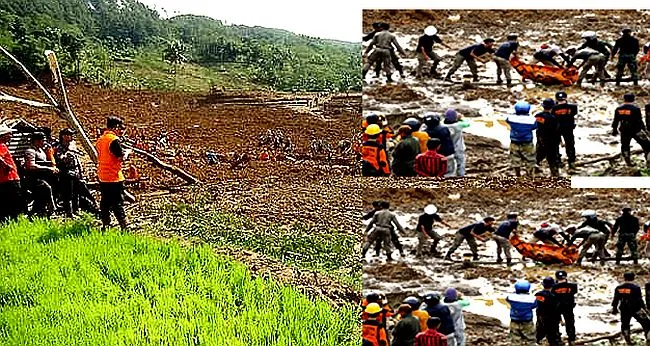
In thepre-dawn hours, when the world should have been quiet.
The hillsides of Central Java, Indonesia, gave way. What began as grim rain converted into a alluvion of slush, gemstone, and debris, swallowing homes and families whole. The rearmost reports confirm a woeful and climbing death risk of 18, with dozens more stressed missing, buried under the suffocating slush.
This is n’t just a news caption; it’s an ongoing mortal tragedy, a hopeless race against time, and a stark memorial of nature’s Central redoubtable power.
For the deliverance workers and the shell-shocked communities in the affected regencies, the once many days have been a blur of anguish and determined trouble.
The air is thick with the smell of wet earth and the sounds of heavy .
Ministry pointed by the occasional cry of a discovered body or a hopeful cry that snappily fades. This composition delves into the heart of this disaster, covering the scale of the destruction, the heroic deliverance sweats, the wisdom behind the slides, and the long road to recovery that lies ahead.
The compass of the Disaster townlets Engulfed in Minutes
The landslides struck with little warning, primarily impacting several townlets in the hilly and rich regions of Central Java. Areas known for their lush, green geographies were suddenly turned into a brown, chaotic wasteland.
The force of the mudflows was disastrous, sweeping down everything in their path — rustic houses, concrete structures, motorcycles, and particular things were crushed or carried down.
The National Disaster Mitigation Agency has been the central source for information.
coordinating the response from the frontal lines. Their spokespersons, faces etched with fatigue, have handed regular, dimmed updates. The verified death risk stands at 18, a number that’s anticipated to rise as further bodies are recovered. The number of missing persons remains fluid, with estimates ranging from several dozen, as families and neighbors regard for those who are unaccounted for.
” The terrain is extremely grueling ,” explained a BNPB functionary at a press briefing.” The slush is deep and unstable, making it delicate for our brigades to move snappily. Central Every step is a threat. We’re using excavators, but we also have to do with extreme care because there might be survivors or victims buried under.”
The mortal Risk Stories from the Rubble
Behind every statistic is a mortal story, a life suddenly ended or hanging in the balance.
In one of the worst- hit townlets, the story of Sari, a 32- time-old mama of two, surfaced. She and her children were asleep when the mudslide megahit. She managed to push her children to relative safety through a window before being trapped herself. Neighbors heard her riots and, forming a mortal chain through the thick slush, managed to pull her free after a Central two- hour struggle. Her home, still, was fully destroyed.
For a moment, I allowed it was an earthquake,” Sari reported, her voice pulsing.” also the slush came through the walls. I just allowed of my children. Everything additional is gone.
Readmore Toronto’s Winter Reign: A Record-Breaking Blanket of White
Tragically, not all stories have similar moments of relief.
The body of an senior man was set up clinging a snap of his family, his small home buried under three measures of slush. Deliverance workers spoke of the emotional risk of these discoveries, where their charge shifts from one of deliverance to one of recovery, offering families the small comfort of a proper burial.
Temporary evacuation centers have been set up in near seminaries and government structures, filled with hundreds of displaced Central residers.
They stay for news, their faces a admixture of shock, grief, and vacant gapes. Original levies are furnishing food, water, and robes, but the most profound need — for information about missing favored bones is the hardest to fulfill.
A Race Against Time The Heroic Deliverance sweats
The response to the disaster has been nippy andmulti-faceted, involving public, indigenous, and original agencies.
1. Search and deliver
The backbone of the operation is the common SAR platoon, comprising labor force from the BNPB, the original Basarnas( Search and deliver Agency), police, and service. They’re the bones
wading through casket-deep slush, operating excavators with meticulous perfection, and using their bare hands to dig when necessary.
2. Challenges Faced by saviors
Unstable Ground The primary peril for saviors is the continued threat of farther landslides. The impregnated soil on the pitches remains unstable, and foreshocks or further rain could spark another collapse.
Availability numerous of the affected areas are remote, with narrow roads that have been blocked or destroyed by the mudslide. This hampers the movement of heavy ministry and detainments the appearance of aid.
Weather The patient rain not only complicates the hunt sweats but also demoralizes brigades and survivors likewise.
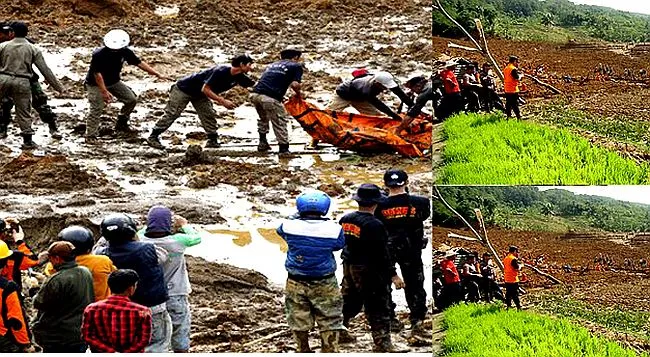
It turns the formerly unfaithful slush into a thicker, more dangerous quagmire.
To prop their sweats, saviors are using long examinations to feel for victims beneath the slush and are planting sniffer tykes to detect signs of life. still, the window for chancing survivors is closing fleetly. After 72 hours, the chances of survival under similar conditions dwindle dramatically.
Why Did This Happen? The Science of the Landslides
While the immediate detector was the period of violent and prolonged downfall, the landslides in Central Java are a classic illustration of a” natural disaster” aggravated by mortal exertion. Understanding the causes is pivotal for precluding unborn tragedies.
1. The Primary Detector Extreme Weather
Central Java, like much of Indonesia, is passing its stormy season. still, meteorologists have noted that the intensity of this Central downfall was exceptional, likely told by larger rainfall patterns and climate change. The soil can only absorb so important water; when it becomes logged, it loses its cohesion and graveness takes over.
2. Underpinning Vulnerabilities
Deforestation The hillsides of Central Java have, in numerous areas, been cleared for husbandry, particularly for husbandry. Trees play a vital part in stabilizing soil. Their root systems hold the base together and absorb vast amounts of water. When they’re removed, the land becomes exponentially more vulnerable to corrosion and landslides.
Population Pressure As populations grow.
people are frequently forced to cultivate land on steeper, more unstable pitches, further adding the threat.
” This is a recreating tragedy,” noted a geologist from Gadjah Mada University.” We see this pattern again and again. Heavy rain falls on Central scaled pitches where people have erected their homes. Without comprehensive land- use planning and reforestation programs, we will continue to see these ruinous events.”
A History of Tragedy Landslides in Indonesia’s” Ring of Fire”
Indonesia is no foreigner to geological disasters. positioned on the Pacific” Ring of Fire,” it’s prone to earthquakes, stormy eruptions, and surfs. Landslides are one of the most frequent and deadly natural hazards in the country, particularly in densely peopled Java.
Just last time, a analogous landslide in West Java claimed over 30 lives.
The recreating nature of these events highlights a critical need for a shift from a purely reactive disaster response to a more robust visionary disaster threat reduction strategy. Communities living in high- threat zones need early warning systems, education on evacuation procedures, and government support for shifting to safer areas.
