

In a serious in- flight incident that underscores the grim pressure on aeronautics conservation and safety protocols.
An Air India Boeing 777 300ER was forced to execute an exigency return to its departure field last week after aviators entered a critical warning indicating a dangerous drop in machine oil painting pressure.
The event, classified as a” significant specialized circumstance” by Air India aeronautics controller, has touched off a high- precedence disquisition and raised pointed questions about conservation practices and line trustability at the recently privatized public carrier.
The aircraft, operating as flight
AI- 173 from Mumbai’s Chhatrapati Shivaji Maharaj International Airport( BOM) to San Francisco International Airport( SFO), was roughly three hours into its trans-Pacific trip when the cockpit alarm sounded.
With 235 passengers and 16 crew members aboard, the flight crew was suddenly assigned with managing a high- stakes situation over open ocean, taking nippy opinion, clear communication, and scrupulous adherence to exigency procedures.
The decision to turn back — a significant functional and fiscal reversal was made solely in the interest of passenger safety, pressing the critical Air India balance airlines must strike between schedule integrity and absolute security.
The Incident Timeline From Routine Takeoff to exigency Decision
The sequence of events, erected together from primary reports and sources within the Directorate General of Civil Aviation( DGCA), reveals a text illustration of in- flight exigency operation under constraint.
Departure and original Climb( IST 0345) Flight AI- 173, a 12- time-old Boeing 777 300ER( Registration VT- ALH), departed Mumbai on schedule. The takeoff and original rise to cruising altitude were reported as normal, with no suggestions of impending trouble.
The Cruising Phase & Warning( Approx. IST 0645)
Three hours into the flight, while cruising at 36,000 bases over the Arabian Sea, the flight crew entered a master caution alert on the Engine Indicating and Crew Alerting System( EICAS).
The specific warning indicated a rapid-fire and concerning drop in Air India oil painting pressure for one of the aircraft’s two General Electric GE90- 115B machines, among the most important in the world.
Cockpit Protocol Activation Following strict Standard Operating Procedures( bribes), the aviators incontinently commenced exigency rosters.
Theycross-referenced instrument readings, tried to troubleshoot the suggestion, and consulted the Quick Reference Handbook( QRH). With oil painting pressure critical for slicking and cooling an machine’s high- speed rotating corridor, a genuine loss can lead to disastrous machine seizure or fire within twinkles.
The Command Decision( IST 0700) After a rapid-fire assessment,
The Captain, a elderly airman with over 8,000 hours on type, made the definitive decision to repeal the charge. Declaring a”Pan-Pan” urgency signal( a step below” Mayday”) to Air Traffic Control, the crew requested an immediate return to Mumbai. They initiated a slow depressurization of the cabin and began jilting energy over a designated maritime area to reduce the aircraft’s weight for a safe wharf.
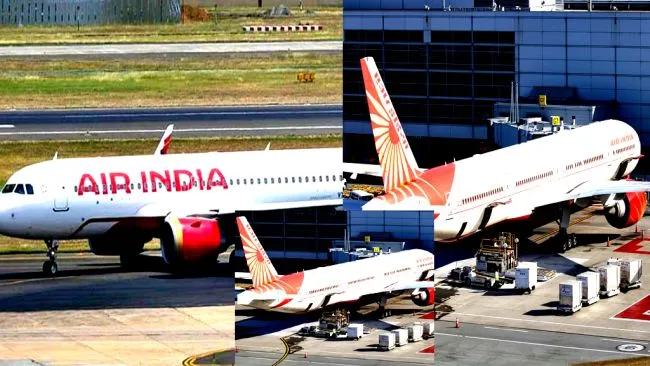
Return and wharf( IST 1015) After a tense, three- hour return flight on a single machine, the aircraft executed a safe and uneventful wharf at its origin field. Passengers were disembarked typically and accommodated on indispensable breakouts over the posterior 24 hours. The affected aircraft was incontinently hauled to an insulated bay for a comprehensive specialized examination.
The Technical Heart of the Matter Understanding oil painting Pressure Loss
An machine oil painting pressure warning in a ultramodern spurt is among the most serious cautions a airman can admit. The oil painting system in a spurt machine like the GE90 is its lifeblood, performing threenon-negotiable functions
Lubrication precluding essence- to- essence contact
In comportments and gears spinning at tremendous pets. Cooling Carrying down violent heat generated by combustion. drawing Flushing down bitsy pollutants and wear patches.
A drop in pressure suggests a failure in this unrestricted- circle system. Implicit causes under disquisition include oil painting Leak A breach in a line, seal, or tank, leading to a loss of fluid volume. Failing oil painting Pump The mechanical heart of the system losing its capability to circulate oil painting at the needed pressure.
Blocked oil painting Sludge or Line A unforeseen inhibition, potentially from a adulterant or internal element failure.
Faulty Sensor While lower disastrous, a nonoperating pressure transducer giving a false reading is also a possibility that must be strictly ruled out.
The GE90 machine, famed for its trustability,
Has specific erected- in redundancies. still, flight crews are trained to treat any oil painting- related warning as potentially disastrous. Continuing the 14- hour flight to San Francisco with a verified oil painting pressure issue would have been an unconscionable threat.
The Regulatory limelight DGCA’s disquisition and Broader Scrutiny
The Directorate General of Civil Aviation( DGCA) has launched a detailed, no- fault disquisition to determine the root cause. A platoon of inspectors is examining
conservation Records checking the machine’s entire conservation history, including recent checks, oil painting changes, and any affiliated work orders.
Readmore Police Name Suspects in Bondi Beach Mass Killing; Identity
Air India Digital Flight Data( DFDR) & Air India Cockpit Voice Archivist( CVR) assaying terabytes of parametric data and airman dispatches to reconstruct the event’s exact timeline and the crew’s response.
Physical Machine Teardown The affected machine will suffer a scrupulous strip-down examination by masterminds from Air India, Boeing, and GE Aerospace to identify the precise mechanical or systemic failure.
This incident places Air India, now possessed by the Tata Group,
Under an violent nonsupervisory and public microscope. The Tata Group has embarked on an ambitious,multi-billion bonemetamorphosis plan for the airline, dubbed” Vihaan.
AI,” which includes incorporating with Vistara, refreshing its line with 470 new Air India Airbus and Boeing aircraft, and revamping its service culture. still, this vision rests on a foundation of functional safety and specialized trustability. Incidents like this test that foundation intimately.
Aviation safety critic Captain Amit Singh
Aformer airline airman and author of the Safety Matters Foundation, notes,” While the crew’s response appears text, the disquisition must answer why this happed on a flagship long- haul aircraft.
Air India For the new Air India, erecting a visionary safety culture that prevents similar circumstances is as important as buying new aeroplanes. This event is a stark memorial that specialized excellence can not be outsourced; it must be ingrained.
